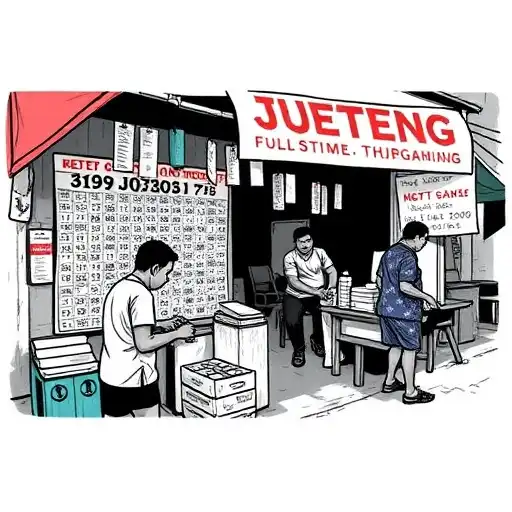
Understanding Jueteng: A Deep Dive into the Controversial Numbers Game
The game of Jueteng has long been a subject of intrigue, controversy, and debate in the Philippines. Often deemed illegal, this numbers game is deeply woven into the socioeconomic fabric of the nation. Despite numerous crackdowns and policy implementations, Jueteng continues to thrive, reflecting both cultural ethos and economic necessity.
The Origins of Jueteng
Jueteng's roots can be traced back to its colonial history with its Chinese origins. The game is a simple lottery-like betting game, primarily played in rural and urban communities. The mechanics involve picking numbers from 1 to 37, which are drawn twice daily. Participants bet on their chosen combination, hoping for a lucky strike.
Why Jueteng Persists
This game remains popular for several reasons. Firstly, the nature of Jueteng offers a glimmer of hope for many Filipinos, particularly those who consider it an opportunity to change their economic status swiftly. The minimal bet amounts mean it's accessible to a wide audience who might not afford other types of gambling. Moreover, with over 19 million Filipinos living below the poverty line, according to recent reports from PH365, avenues like Jueteng present an enticing promise of easy money.
Socioeconomic Impacts
The impact of Jueteng is multilayered. On one hand, it provides employment for thousands working as cobranza, collectors, and administrators who organize these games. With limited employment opportunities in various regions, Jueteng serves as a vital source of income.
On the flip side, Jueteng poses several societal challenges. Because operations are often outside the purview of legal regulations, it creates an avenue for corruption. Allegations often surface about law enforcement officials turning a blind eye in exchange for bribes. This fosters an environment where lawlessness thrives and governance becomes compromised, impacting community trust in public institutions.
Legal and Ethical Implications
The legality of Jueteng is a contentious topic. Despite being deemed illegal under the Revised Penal Code, Jueteng has persistently operated in obscurity. This is largely due to the efforts of powerful political entities and local influencers who either covertly support or inadequately enforce bans due to personal benefits.
Efforts persist to transition players into state-sponsored gambling alternatives like the Philippine Charity Sweepstakes Office (PCSO) offerings. However, these have not been entirely successful in curbing Jueteng's allure. The local alternative forms of gambling imposed by regular channels often lack the community-based informal network that provides for instant gratification and personal relations seen in Jueteng.
Technological Influence and Modern Adaptations
In recent years, technology has permeated various aspects of life, and Jueteng is no exception. As smartphone penetration deepens in the Philippines, many operators move their setup to mobile platforms. This evolution signifies a crucial shift in how the game is played, further complicating enforcement efforts.
Through apps and online messaging systems, betting has become more accessible, with virtual anonymity providing a cloak for users and operators alike. This technological adaptation also signifies a potential wider reach, presenting new challenges to eradicating or regulating the game.
The Role of Government and Policy
Addressing Jueteng requires a holistic approach from the government that goes beyond mere raids and arrests. It necessitates addressing the root causes of its popularity - poverty and limited livelihood opportunities. Policies focusing on employment generation, education, and welfare are integral in reducing reliance on illegal gambling.
Moreover, fostering transparency and accountability in both local and national levels of government could lessen the degree to which Jueteng operators can engage in corrupt practices to avoid prosecution. Additionally, community engagement in these efforts is crucial, as citizen vigilance plays a vital role in denouncing operations.
Conclusion
The enduring saga of Jueteng illustrates the dynamic interplay of culture, economy, and politics in the Philippines. It is emblematic of more significant challenges arising from poverty and systemic corruption, demanding nuanced and sustained efforts for resolution.